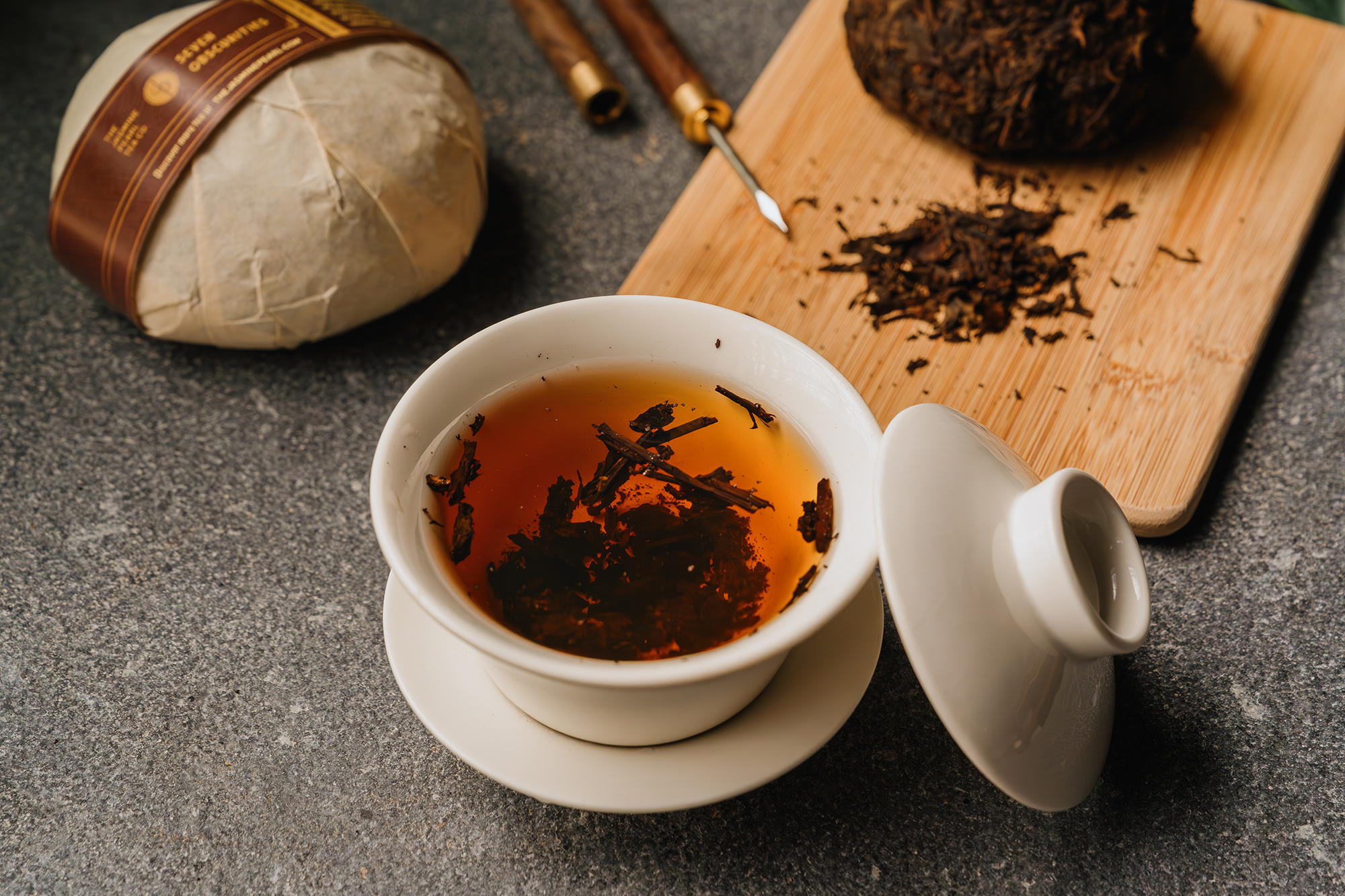
A Guide to Sheng, Shou & Compressed Fermeneted Teas

Puerh is one of the most fascinating and rewarding categories of tea. It is deep, layered, and often long-lasting in the cup, with many puerh teas designed to be steeped again and again. For tea drinkers who love complexity, texture, and a sense of discovery, puerh offers an especially rich world to explore.


At its simplest, puerh is a fermented tea traditionally made in Yunnan, China. It is often produced from large-leaf tea varieties and may be sold loose or compressed into cakes, bricks, bowls, and other shapes. Unlike most teas, which are usually enjoyed for their fresh seasonal character, many puerh teas are valued for how they change over time. Some are bright and lively when young, then become deeper and smoother with age. Others are intentionally fermented to create a rich, dark, mellow flavor from the beginning.

Puerh is a fermented tea traditionally made in Yunnan, China, and is loved for its depth, complexity, and ability to be steeped many times.

One of the first things people notice about puerh is its shape. While puerh can be sold as loose leaf, it is often compressed. This tradition began partly for practical reasons: compressed tea was easier to transport, store, trade, and age. Compression also gives puerh a beautiful sense of ceremony. Breaking off a portion from a tea cake or unwrapping a mini tuocha becomes part of the experience.

The most common puerh shapes include:


Two Main Styles: Sheng and Shou

Puerh is generally divided into two main styles: Sheng, often called raw or unripe puerh, and Shou, often called ripe or cooked puerh. Both begin with similar tea material, but they are processed differently and develop very different flavor profiles. Sheng puerh is the traditional โ€œrawโ€ style that changes slowly over time, while Shou puerh is intentionally fermented to create a darker, smoother tea more quickly.
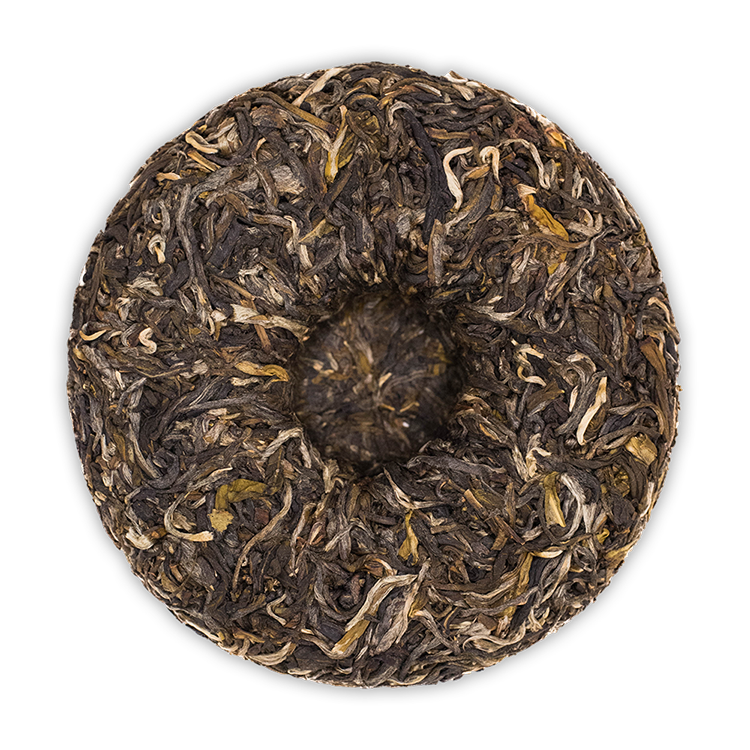
Sheng Puerh: Raw, Lively, and Evolving

Sheng puerh is the older, more traditional style. It begins as tea leaves that are processed, dried, and often compressed, but not heavily fermented right away. Instead, Sheng puerh changes gradually over time through slow natural aging.

Young Sheng puerh can be bright, aromatic, and energetic. Depending on the tea, it may taste floral, fruity, grassy, honeyed, mineral, or lightly smoky. It may also have some bitterness or astringency, especially when brewed strong. For some drinkers, that structure is part of the appeal. Sheng puerh can feel alive in the cup, shifting from steep to steep.

As Sheng ages, the sharper edges often soften. The tea may develop deeper notes of dried fruit, hay, honey, wood, tobacco, incense, camphor, or forest floor. A young Sheng and an aged Sheng can taste so different that they almost seem like separate categories.

Sheng is a wonderful choice for people who enjoy watching a tea unfold over time. It can be vivid and expressive, and it often rewards patient brewing.

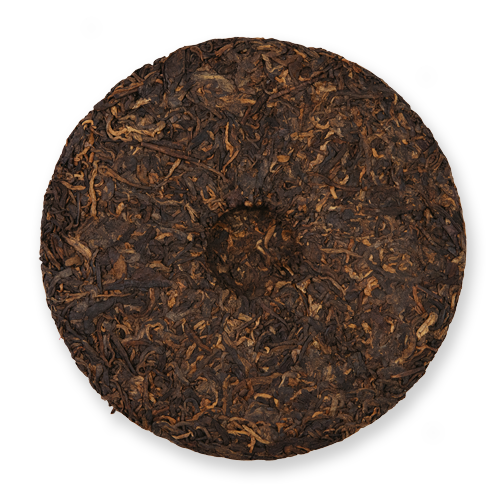
Shou Puerh: Dark, Smooth, and Earthy

Shou puerh was developed to create a dark, mellow tea more quickly than naturally aged Sheng. During production, the tea undergoes an accelerated fermentation process that encourages microbial activity under warm, humid conditions. This process transforms the tea much faster, producing a rich and smooth cup without requiring decades of aging.

Shou puerh is usually darker in both leaf and liquor. Its flavor is often earthy, woodsy, mellow, and full-bodied. Depending on the tea, it may have notes of cocoa, molasses, dates, leather, damp forest, walnut, loam, or sweet compost. Well-made Shou should taste clean, rounded, and comforting rather than muddy or harsh.

Because Shou is usually smoother and less astringent than young Sheng, it can be a very approachable starting point for new puerh drinkers. It is also a favorite for people who enjoy dark, grounding teas with a rich body.


Why Do Both Styles Exist?

Sheng and Shou exist because puerh has always been a tea of transformation. Traditionally, puerh was stored and transported over long periods, changing slowly as it aged. Sheng reflects this older path: a tea that evolves naturally with time. Shou was created to offer another path. Instead of waiting many years for a tea to become dark and mellow, the ripe puerh process encourages that transformation much more quickly. It does not create the same tea as aged Sheng, but it offers its own beautiful style: smooth, earthy, accessible, and deeply comforting. Neither style is โ€œbetter.โ€ They simply offer different experiences.

How to Choose Between Sheng (Raw) and Shou (Ripe)

Choose Sheng puerh if you like teas that are lively, aromatic, layered, and evolving. Sheng is especially appealing if you enjoy green tea, oolong, white tea, or teas with brightness and structure. Young Sheng can be bold and vibrant, while aged Sheng can become smooth, complex, and deeply nuanced. Choose Shou puerh if you like dark, mellow, earthy teas with a smooth body. Shou is a great choice for fans of roasted teas, dark oolongs, black teas, coffee-like depth, or grounding herbal flavors. It is often cozy, rich, and easy to drink. Many puerh lovers keep both styles on hand. Sheng can feel bright and exploratory, while Shou can feel steady and comforting.


BREWING PUERH

Puerh is usually brewed with more leaf than a standard cup of loose tea, especially because compressed tea is dense. A small amount can produce many infusions.

For tea cakes, use a puerh pick to gently loosen a portion of tea. Hold the cake firmly against a steady surface. Insert the pick horizontally into the side of the cake and gently pry upward to loosen the tea. Avoid stabbing vertically. Keep fingers clear of the pickโ€™s path, point the tip away from your hand and body, and never force the pick through the tea.

For mini bing chas or mini tuochas, unwrap the tea before brewing, then use one piece per cup or small teapot.

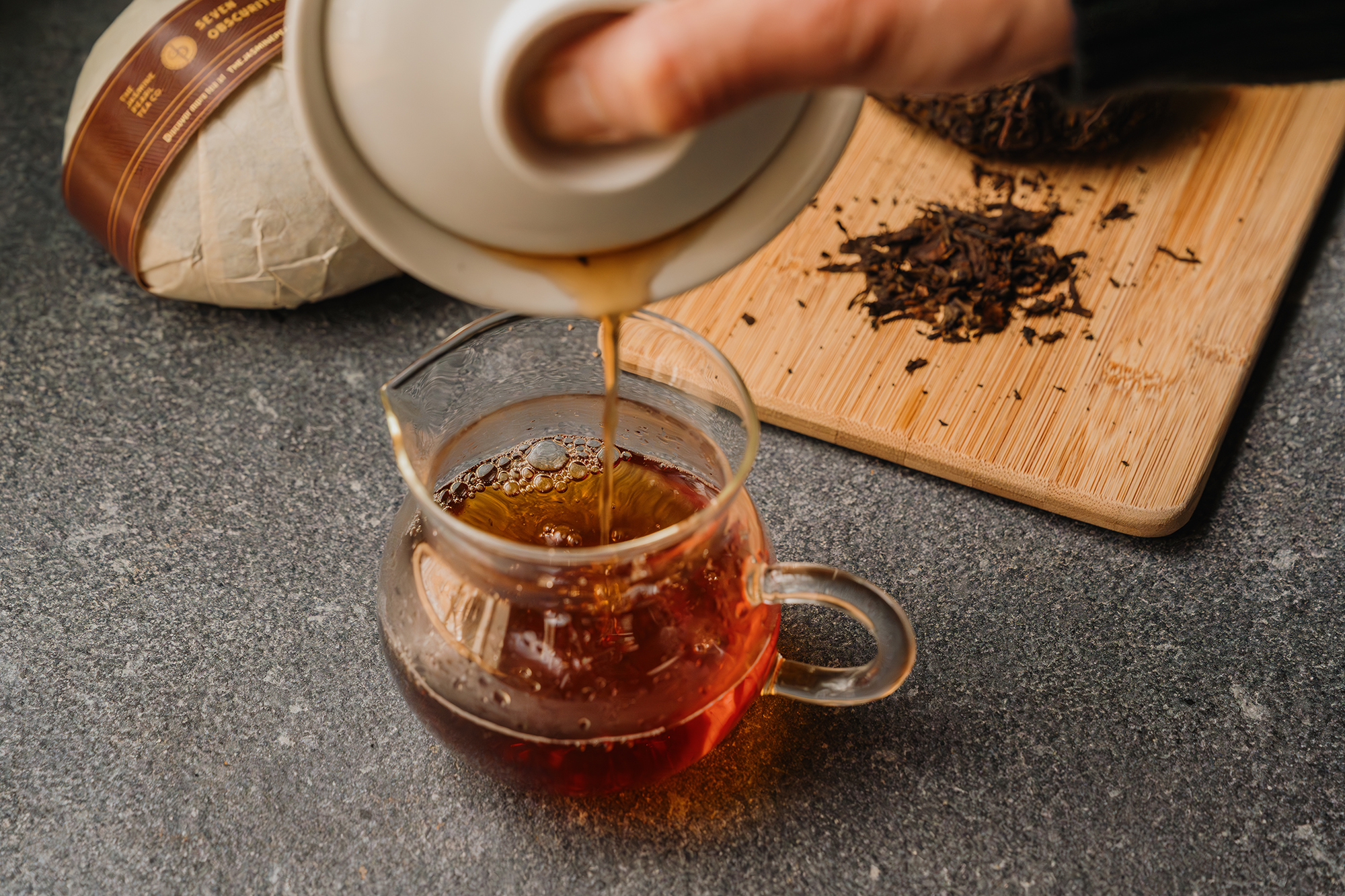
Use hot water, usually around 200โ€“212ยฐF, and steep briefly at first. Many puerh teas benefit from a quick rinse before the first infusion. After that, start with a short steep, taste, and adjust. Puerh can often be steeped 5โ€“10 times or more, with each infusion revealing a slightly different side of the tea.

What to Notice as You Taste

Puerh is not just about flavor. Pay attention to aroma, body, texture, sweetness, finish, and how the tea changes with each steeping. Some infusions may be bright and fragrant, while later ones become softer, sweeter, deeper, or more mineral. Puerh invites slow tasting. You may also notice that puerh can be very grounding. Sheng may feel clarifying and lively, while Shou often feels cozy and settled. These impressions are personal, of course, but they are part of what makes puerh so beloved.


A Tea Worth Returning To

Puerh can seem mysterious at first, but it does not need to be intimidating. Start with curiosity. Try Sheng and Shou side by side. Brew them more than once. Notice how the leaves open, how the flavor changes, and which style you naturally reach for. Whether you prefer the bright, evolving character of Sheng or the dark, smooth comfort of Shou, puerh offers a tea experience unlike any other: patient, layered, and full of discovery.